
The Myth That's Costing You Fans
Most creatives think about branding once: when they need a logo.
They find a designer, pick some colours, choose a font, and move on. Box checked. Brand done.
Then they wonder why people aren't connecting. Why their music gets streams but not followers. Why their content gets views but not loyalty. Why they feel invisible in a space full of people doing similar things.
Here's the real problem: a logo is a symbol. Branding is the entire perception someone has of you before, during, and after they interact with your work. It's not a single asset. It's an accumulated feeling built across every touchpoint, every piece of content, every caption, every show, every interaction.
Think about the last Travis Scott rollout. Or a Bad Bunny campaign drop. You recognized the energy before you ever saw their name. The visual language, the tone, the mystery or the chaos, it was immediately theirs. That's not logo work. That's identity work. And there's a massive difference.
If you're thinking design first and identity never, you're building on sand.
Your Identity Is the Foundation. Start There.
Before any visual decisions, before you talk to a designer, before you pick a color palette, there's work that has to happen first. The uncomfortable kind.
Clarity on who you are. What you stand for. Who you're actually speaking to. And what feeling you want to leave people with after they encounter your work.
For musicians and creatives, this can feel strange. Your art is instinctive. You create from feeling, not from strategy documents. The idea of defining your "brand values" sounds corporate and cold, like something a tech startup does in a conference room, not something that belongs in a studio session.
But here's what's actually true: you already have an identity. You already have a point of view, an aesthetic instinct, a way of moving through the world that is distinctly yours. Branding work doesn't create that. It makes it legible. It takes what already exists inside you and translates it into something consistent and communicable to the outside world.
Ask yourself these questions honestly:
💭 What three words would your closest collaborators use to describe your energy?
🎵 What do you want someone to feel 10 minutes after they discover your music or your content?
🎯 Who is your ideal fan, specifically? Not "everyone who likes good music" but what kind of person, what values, what taste?
✨ What makes your perspective different from the ten other artists in your genre right now?
If the answers are vague, keep pushing. Vague identity produces vague branding produces forgettable presence. This is the foundation. Everything else is built on top of it.
Visual Consistency Across Every Touchpoint
Once your identity is clear, then the visuals follow. Not before.
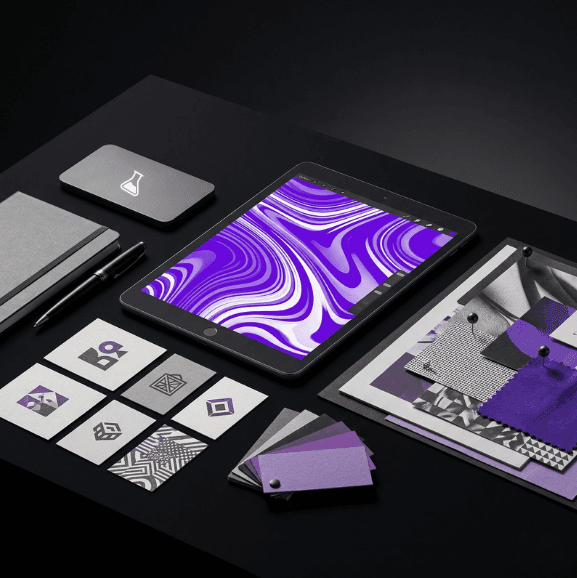
Visual branding for a creative means color palette, typography, photography style, video aesthetics, cover art direction, and how all of that shows up consistently across Instagram, YouTube, Spotify, press photos, merch, and live production.
The goal is not to be rigid. It's to be recognizable.
Think about what SZA's visual world looked like during the SOS rollout. Dark, ethereal, deeply personal, with a specific photographic language that showed up everywhere from the album cover to the Instagram grid to the tour visuals. You didn't need to read her name to know it was her. That consistency built a visual identity so strong it became inseparable from the music itself.
Now think about what the opposite looks like. An artist who posts a moody black-and-white photo one week, bright pink graphics the next, a meme the week after, then a tour flyer that looks like it was designed by three different people. Every time someone lands on that profile, they have to rebuild their understanding of who this person is. That cognitive friction is real, and it costs you.
What inconsistency actually costs you ⚠️:
- New visitors don't follow because they can't quickly understand what you're about
- Existing fans feel less connected because the experience keeps shifting
- Industry people and press don't take you seriously because the presentation doesn't match the talent
- Your content looks amateurish even if the work itself is excellent
Consistency signals professionalism. It signals intentionality. It tells people you take your own work seriously, and that makes them take it seriously too.
Voice and Personality Are Brand Assets Too
Here's the one most creatives completely skip.
How you write your captions. How you respond to comments. How you present yourself in interviews. The language in your bio. Whether you're funny or serious or mysterious or raw. All of that is branding.
Voice is one of the most underrated brand assets a creator has because it builds something logos and color palettes can't: parasocial connection. It makes people feel like they know you. Like they get you. Like you're the kind of person they'd actually want to hang out with. 🤝
Look at Chappell Roan. Before the mainstream explosion, she was building a deeply loyal fanbase partly through a specific voice online: camp, theatrical, unfiltered, deeply sincere underneath the performance. Her captions, her interviews, her way of engaging with fans all felt like extensions of the same person. That consistency made people feel like they had discovered something real. 🌹
Contrast that with an artist who sounds like a hype machine on Twitter, introspective and deep in press interviews, and completely detached and corporate in their newsletter. The audience never gets to know anyone. They get fragments that don't add up.
Practical steps to own your voice :
- Pick 3-5 adjectives that describe how you want to sound, not how you think you should sound
- Write five sample captions in that voice before posting anything. Does it feel like you?
- Read your bio out loud. Does it sound like a real person or a LinkedIn profile?
- Stay consistent even when trends pull you toward a different tone. You can participate in a trend without sounding like everyone else doing it.
Your voice is yours. Use it like it is.
Brand Experience at Every Level
The strongest creative brands are the ones where every single touchpoint feels like it came from the same place.
Not just the visuals. Not just the music. Everything.
Think about Beyoncé at the level she's operated for the last decade. The live show production isn't separate from the album aesthetic. The merch isn't an afterthought, it's an extension of the visual world. The press rollout, the silence before a drop, the way she controls information, that's brand strategy. The newsletter from her team, the fan interactions, the way she curates what she shows versus what she doesn't, all intentional, all connected.
That's not available only to artists at her level. The principles scale down perfectly.
A DIY touring artist can have a merch table that feels intentional and on-brand instead of random leftover stock. An independent creator can have a newsletter that reads like an extension of their content rather than a formal announcement. A musician releasing independently can have a Spotify canvas, a press photo set, and an Instagram grid that all feel like they belong to the same person and the same project.
Where brand experience shows up for creatives 🎬:
- Live show production and stage design
- Merch quality, design, and packaging
- How you treat fans at signings and events
- The welcome email someone receives when they join your list
- The quality and consistency of your press photos
- How your team or collaborators represent you publicly
- The visual coherence between your cover art and your content
Every touchpoint is an opportunity to reinforce who you are or to create confusion. There's no neutral.
The Bottom Line
Your logo is the last thing that makes someone remember you.
What makes them remember you is the full experience of encountering your world. The visual language that's unmistakably yours. The voice that sounds like a real person they want to follow. The consistency that builds trust over time. The intentionality that signals you take your own work seriously.
Most creatives get this wrong because they think design first and identity never. They invest in aesthetics without doing the foundational work of understanding what they actually stand for and who they're genuinely speaking to.
The good news: this is fixable. And you don't need a big budget to fix it. You need clarity, consistency, and the willingness to be intentional about how your work shows up in the world. 💪
Start with identity. Let the visuals follow. Build the experience one touchpoint at a time.
The artists and creators who do this work are the ones people remember. Be one of them.